
HomeBlogMorocco Travel GuideDiscover Dades Valley and Dades Gorge in Morocco
Discover Dades Valley and Dades Gorge in Morocco
Tucked away between the rugged peaks of the High Atlas Mountains and the arid plains of the Sahara Desert lies one of […]
Tucked away between the rugged peaks of the High Atlas Mountains and the arid plains of the Sahara Desert lies one of Morocco’s most stunning natural treasures, the Dades Valley and Dades Gorge. Often overshadowed by more popular sites like Marrakech or Merzouga, this breathtaking region remains a hidden gem for travelers seeking dramatic landscapes, authentic Berber culture, and off-the-beaten-path adventures.
Carved over millennia by the winding Dades River, the valley is a tapestry of lush green oases, ancient kasbahs, and towering red rock formations. The gorge itself is a geological wonder, known for its steep canyon walls and the iconic serpentine road that has become a favorite among photographers and thrill-seekers alike.
Whether you’re a nature lover, a road trip enthusiast, or simply curious about the quieter corners of Morocco, the Dades Valley promises a journey rich in discovery, tradition, and jaw-dropping beauty.
Where is the Dades Valley & Dades Gorge Located?
The Dades Valley and Dades Gorge are located in southeastern Morocco, nestled between the High Atlas Mountains to the north and the Jbel Saghro range to the south. This striking region lies within the province of Tinghir and stretches between the desert town of Ouarzazate and the oasis city of Errachidia, making it a key stop along the famous “Road of a Thousand Kasbahs.”
The heart of the Dades Valley runs along the Dades River, which flows from the snow-capped Atlas peaks, carving its way through rocky terrain and lush farmland. The dramatic Dades Gorge begins near the town of Boumalne Dades, a popular base for exploring the valley and its surrounding landscapes.
From Marrakech, the valley is about a 6 to 7-hour drive, typically included as a stopover on multi-day desert tours to Merzouga or the Sahara Dunes. For travelers driving independently, the journey offers spectacular scenery through mountain passes, palm groves, and centuries-old Berber settlements.
This strategic location not only makes Dades a natural gateway to the desert but also a cultural crossroads where mountain traditions meet Saharan influences — a rare combination that adds even more depth to the experience.
The Natural Beauty of the Dades Valley
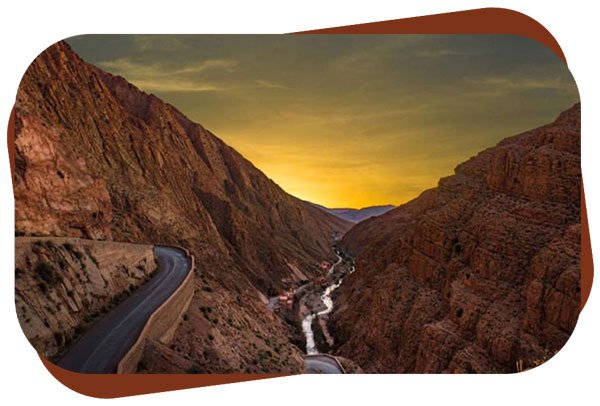
The Dades Valley is a breathtaking stretch of land that captivates visitors with its unexpected contrast of greenery and raw desert beauty. As you descend into the valley, you’ll be welcomed by a lush ribbon of palm groves, almond orchards, fig trees, and wheat fields, all nourished by the flowing Dades River. These fertile plots sit in sharp contrast to the towering cliffs and rugged red rock formations that rise dramatically on either side — a visual spectacle that feels almost surreal.
What makes the Dades Valley so special is its diversity of landscapes in such a compact area. One moment you’re winding through narrow canyon walls, and the next, you’re surrounded by a peaceful oasis dotted with ancient kasbahs and ksars — fortified Berber villages built with sun-dried clay. The valley’s distinctive red hue, caused by iron-rich minerals in the soil, adds a warm, otherworldly glow to sunrise and sunset scenes.
Throughout the year, the scenery changes with the seasons. Spring paints the valley with wildflowers and fresh green foliage, while autumn brings golden tones to the fields and orchards. Even in winter, when the nearby Atlas Mountains are capped in snow, the valley remains accessible and photogenic — a true year-round destination for nature lovers and photographers alike.
Whether you’re walking among olive trees, picnicking beside the river, or simply gazing at the ever-changing rock formations, the natural beauty of the Dades Valley offers a peaceful and soul-stirring escape far removed from Morocco’s bustling cities.
Exploring the Dramatic Dades Gorge
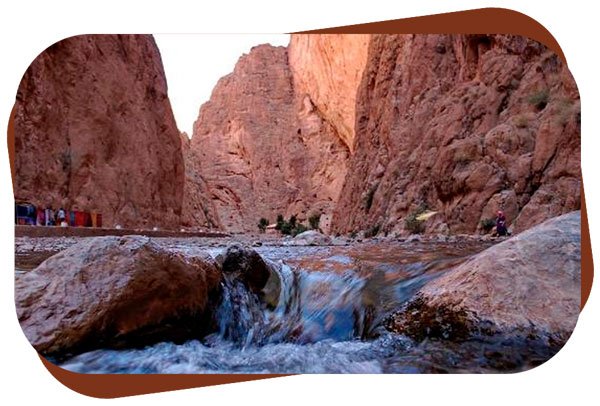
The Dades Gorge is the crown jewel of the valley — a narrow, winding canyon carved by the relentless flow of the Dades River over millions of years. Towering limestone and sandstone cliffs rise hundreds of meters into the sky, creating a dramatic and imposing natural corridor that attracts geologists, hikers, and travelers alike.
One of the most iconic features of the gorge is the serpentine road near Boumalne Dades, famously known for its sharp, winding switchbacks — a stretch that has become a favorite subject for drone photographers and Instagrammers. As you ascend this dizzying road, panoramic viewpoints open up, offering jaw-dropping vistas over the valley below and the zigzagging route you just conquered. This road alone makes the gorge a thrilling highlight of any Morocco road trip.
But the Dades Gorge isn’t just about the drive — it’s also a paradise for outdoor enthusiasts. There are several well-marked hiking trails that take you through narrow canyon passages, across rock terraces, and into tiny Berber villages tucked into the cliffs. These treks range from short, leisurely walks to full-day adventures and offer chances to see local wildlife, ancient cave dwellings, and even natural rock formations like the famous “Monkey Fingers” — a cluster of bizarre, finger-like cliffs sculpted by wind and water.
The silence in the gorge is profound, broken only by the soft gurgle of the river or the occasional bleat of a goat from a distant mountainside. It’s a place where nature feels untamed and untouched, and where time seems to slow down.
Whether you’re after adrenaline-pumping drives, peaceful hikes, or simply an awe-inspiring landscape to photograph, the Dades Gorge is a must-see for anyone exploring southern Morocco.
Top Things to Do in the Dades Valley & Gorge
The Dades Valley and Gorge offer far more than scenic views — this region is brimming with activities for curious travelers, outdoor lovers, and culture seekers. Whether you’re passing through on a multi-day desert tour or staying for a few nights in a local guesthouse, here are some of the best things to experience:
Scenic Drives Through the Gorge
The winding drive through the Dades Gorge is not just a means of transportation — it’s an attraction in itself. The steep, twisting road above the gorge provides dramatic views at every turn, especially the Tisdrine curves, which have become one of Morocco’s most iconic road trip photo spots.
Hiking and Trekking Adventures
The valley and its surrounding mountains offer excellent hiking opportunities, with trails that take you through Berber villages, across rocky plateaus, and into deep canyons. Guided hikes can be arranged for both beginners and experienced trekkers. Along the way, you’ll enjoy breathtaking scenery and genuine encounters with local shepherds and families.
Explore the “Monkey Fingers” Rock Formations
One of the most fascinating natural features in the Dades Gorge is the “Monkey Fingers” — a series of unique sandstone formations resembling knuckles or clenched fists. You can walk among them or admire them from nearby trails. It’s a perfect spot for both nature photography and adventurous scrambling.
Visit Berber Villages and Kasbahs
Scattered throughout the valley are small, traditional Berber villages where life moves slowly and traditions remain deeply rooted. Take the time to walk through their narrow streets, visit a local kasbah, or enjoy a cup of mint tea in a family-run home. The hospitality here is warm and unforgettable.
Enjoy Local Moroccan Cuisine
Eating in the Dades Valley is a treat. Many guesthouses serve delicious home-cooked Moroccan dishes, including lamb or chicken tagines, vegetable couscous, and freshly baked bread. Dining on a terrace with views of the valley or under the stars adds to the charm of the experience.
Photography and Sunset Watching
From the red rocks glowing at sunset to the sweeping views from above the gorge, the area is a dream for photographers. Early morning and late afternoon provide the best lighting, but even midday offers surreal contrasts between green oases and burnt-orange cliffs.
Stargazing in the Valley
Thanks to minimal light pollution, the Dades Valley is a fantastic place for stargazing. On a clear night, you can see the Milky Way stretch across the sky — a peaceful, humbling experience after a day of exploration.
From active adventures to quiet cultural moments, the Dades Valley and Gorge deliver a rich variety of experiences that reward those who take the time to slow down and truly discover Morocco’s natural heartland.
Both regions offer unforgettable memories, but your choice depends on the type of experience you’re seeking. Do you prefer the comfort and accessibility of Erg Chebbi or the untouched wilderness of Erg Chigaga? Perhaps a stop in the Zagora Desert can give you a taste of both worlds — the history of the desert and the transition into the vast Sahara beyond.
Cultural Highlights
Beyond its awe-inspiring landscapes, the Dades Valley is a living tapestry of Berber culture, woven into the hillsides and valleys that have been home to indigenous communities for centuries. A visit here isn’t just a scenic detour — it’s a cultural immersion into the traditions, hospitality, and daily rhythms of rural Morocco.
Authentic Berber Villages
Dotting the valley and clinging to the slopes of the mountains are small Berber villages, where time seems to have slowed. These villages are built from earth and stone, blending almost invisibly into the landscape. Homes are typically constructed in a traditional style, with thick walls to insulate against the desert cold and heat, and flat roofs that double as drying spaces for herbs or grains.
Travelers are often welcomed with open arms by local families, not as tourists, but as guests. It’s not uncommon to be invited in for mint tea or even a home-cooked meal. These moments offer an intimate glimpse into Moroccan life far from the hustle of cities like Marrakech.
The Art of Hospitality
Hospitality is at the heart of Berber culture. In the Dades Valley, offering a meal or tea to a traveler is not just politeness — it’s a point of pride. This genuine warmth is especially felt in local guesthouses (auberges), many of which are family-run. Here, visitors often share dinner with their hosts, swap stories under the stars, and leave with new friendships forged across languages and cultures.
Traditional Architecture: Kasbahs and Ksars
The valley is also rich in architectural heritage. You’ll find numerous kasbahs (fortified homes) and ksars (walled villages) constructed from mudbrick, many dating back centuries. Some are still inhabited, while others stand as crumbling monuments to Morocco’s caravan trading past. A guided visit to one of these sites can uncover fascinating stories about clan rivalries, defense strategies, and the blending of Saharan and mountain influences in local design.
Local Handicrafts and Markets
While Dades isn’t as commercialized as cities like Fes or Marrakech, you can still find handmade crafts, especially woven carpets, pottery, and jewelry. Many artisans continue to use ancient techniques passed down through generations. Some guesthouses even organize craft demonstrations or visits to small cooperatives, allowing you to support local economies while bringing home something truly meaningful.
In short, the cultural richness of the Dades Valley lies in its authenticity, not curated for tourists, but lived every day by its residents. It’s a place where stories are told through architecture, hospitality, and tradition, offering a deep and memorable layer to your Moroccan adventure.
How to Get There
Reaching the Dades Valley and Gorge is part of the adventure itself, with scenic routes that wind through some of Morocco’s most stunning landscapes. Whether you’re joining an organized tour or planning an independent road trip, getting to this remote gem is relatively straightforward with the right preparation.
From Marrakech
Most travelers begin their journey in Marrakech, the vibrant red city located around 330 kilometers (205 miles) from Boumalne Dades, the gateway to the valley. The drive takes around 6 to 7 hours, depending on stops, and passes through iconic Moroccan landmarks like:
The Tizi n’Tichka Pass in the High Atlas Mountains
The UNESCO-listed Ait Ben Haddou
The cinematic town of Ouarzazate, also known as the “Hollywood of Africa”
This route is part of the popular Marrakech to Merzouga desert tour, which typically spans 3 to 4 days and includes an overnight stay in the Dades Valley or nearby Todra Gorge.
From Fes
If you’re coming from Fes, you can reach the Dades Valley by traveling south through Midelt, the Ziz Valley, and Errachidia. The full journey is around 600 kilometers (375 miles) and often takes two days, depending on your pace and overnight stops. Many 3-day tours from Fes to Marrakech include a night in the Dades region as well.
By Rental Car
Driving yourself is one of the best ways to fully explore the valley. The roads are generally well-paved, and traffic is light once you’re outside major cities. A 4×4 is recommended if you plan to explore deeper into the mountains or take dirt tracks, but a standard car is fine for the main road through the gorge.
By Bus or Grand Taxi
Public transport is available but limited. CTM and Supratours buses run from major cities to Tinghir or Ouarzazate, from where you can catch a grand taxi (shared taxi) to Boumalne Dades. However, schedules can be irregular, and travel time is longer, so this option is best for those with flexible plans.
Whether you’re winding through mountain roads on your own or joining a guided tour, the journey to the Dades Valley is as memorable as the destination itself. The changing landscapes, from snowy peaks to sun-baked cliffs, make every kilometer worthwhile.
Best Time to Visit the Dades Valley
The Dades Valley and Gorge can be visited year-round, but your experience will vary greatly depending on the season. To truly enjoy the landscape, outdoor activities, and local culture, it’s important to choose the right time for your journey.
Spring (March to May) – The Best Season
Spring is widely considered the best time to visit the Dades Valley. The weather is pleasantly mild, with daytime temperatures ranging from 18°C to 25°C (64°F to 77°F). This is when the valley comes to life: fields bloom with wildflowers, trees blossom, and the contrast between lush greenery and red cliffs is at its most dramatic.
Hiking conditions are ideal, and the clear skies make this a perfect season for photography, stargazing, and scenic drives. It’s also a great time to experience local festivals and cultural events in the region.
Autumn (September to November) – A Close Second
Autumn offers another excellent window to explore the Dades Valley. After the intense summer heat fades, temperatures drop to comfortable levels. The harvest season brings a golden glow to the valley’s orchards and farms, and it’s a great time to experience local produce and traditional cooking.
Crowds are also lighter than in spring, giving you a more peaceful experience on hiking trails and in guesthouses.
Summer (June to August) – Hot but Manageable
Summer in southern Morocco can be extremely hot, with temperatures soaring above 35°C (95°F), especially in exposed areas of the gorge. However, the elevation of the valley and surrounding mountains often keeps it slightly cooler than the Sahara Desert or Marrakech.
If you’re visiting in summer, plan activities for early morning or late afternoon, stay hydrated, and choose accommodations with shaded terraces or access to water features like pools or riverside gardens.
Winter (December to February) – Quiet and Crisp
Winter is the quietest time to visit the Dades Valley. Temperatures during the day remain pleasant (10°C to 18°C / 50°F to 64°F), but nights can get cold, sometimes dipping below freezing, especially at higher elevations. Snow often caps the nearby Atlas Mountains, adding a beautiful contrast to the rocky terrain.
Many guesthouses remain open year-round and offer cozy, fire-lit interiors — perfect for enjoying a warm tagine after a chilly hike.
In short, spring and autumn offer the best overall conditions for travel in the Dades Valley, but with proper planning, every season reveals a different and equally captivating side of this Moroccan treasure.
Where to Stay – Accommodation Options
The Dades Valley and Gorge offer a variety of accommodation options that suit different travel styles and budgets, from traditional Berber guesthouses to luxurious desert lodges. Staying overnight in the valley not only breaks up long journeys but also lets you soak in the peaceful atmosphere and stunning scenery after the day-trippers have left.
Traditional Berber Guesthouses (Auberges)
One of the most authentic ways to experience the valley is by staying in a Berber guesthouse, known locally as an auberge. These family-run establishments offer warm hospitality, simple but comfortable rooms, and delicious home-cooked meals featuring local specialties like tagine and couscous.
Many auberges are perched on hilltops or nestled in the valley, offering spectacular views of the surrounding landscape. Staying here provides a chance to connect with locals, learn about their customs, and enjoy the tranquility of rural Morocco.
Kasbah Hotels
For a more atmospheric stay, consider booking a room in a restored kasbah hotel. These ancient fortified homes have been converted into charming boutique hotels, combining traditional architecture with modern comforts such as heated pools, terraces, and sometimes even spas.
Kasbah hotels often provide guided tours and activities, making them ideal bases for exploring the region while enjoying a touch of luxury.
Camping and Eco-Lodges
For nature lovers and adventure travelers, camping in or near the Dades Gorge offers a unique way to experience the desert’s night skies and rugged beauty. Several campsites and eco-lodges provide basic to comfortable tents with amenities such as communal kitchens and showers.
Some tours also include overnight stays in Berber-style tents, complete with traditional music and meals around a campfire, creating unforgettable memories under the stars.
Nearby Towns with Hotels
If you prefer more amenities, the nearby towns of Boumalne Dades and Tinghir offer a range of hotels and guesthouses. These towns serve as convenient hubs for organizing excursions into the valley and gorge.
Whether you’re seeking rustic charm, cultural immersion, or a relaxing retreat, the Dades Valley accommodation options provide a perfect blend of comfort and authenticity for every traveler.
Tips for Visiting the Dades Valley & Gorge
To make the most of your trip to the Dades Valley and Gorge, keep these insider tips in mind. They will help you navigate the terrain, respect local customs, and enjoy a safe and unforgettable experience.
1. Plan for Variable Weather
The valley’s altitude means temperatures can fluctuate significantly between day and night. Pack layers — lightweight clothes for daytime warmth and a jacket or sweater for chilly evenings. Don’t forget a hat and sunscreen, especially in summer.
2. Take Your Time Driving
If you’re driving through the gorge, allow extra time for the winding roads and frequent stops. The scenic viewpoints and photo ops are plentiful, so don’t rush. Driving carefully is essential, especially on narrow switchbacks like the famous Tisdrine curves.
3. Hire a Local Guide
Consider hiring a local Berber guide for hiking or village tours. Guides offer valuable insights into the history, culture, and natural environment that you won’t find in guidebooks. They can also help you discover hidden gems and ensure safe trekking.
4. Respect Local Traditions
The Dades Valley is home to conservative Berber communities. Dress modestly, especially when visiting villages. Always ask permission before photographing people, and be respectful of local customs and religious practices.
5. Stay Hydrated and Bring Snacks
If you plan to hike or explore remote areas, carry plenty of water and some snacks. Small shops are limited, so it’s wise to prepare, especially in the hotter months.
6. Use Cash and Prepare for Limited Connectivity
While some guesthouses and hotels may accept cards, cash (Moroccan dirhams) is king in the valley. ATMs are scarce, so withdraw enough money before heading into remote areas. Mobile phone reception can be patchy, so download maps and guides in advance.
7. Capture the Moment, but Stay Present
The Dades Valley offers incredible photography opportunities — from landscapes to cultural encounters. Remember to balance capturing photos with soaking in the experience. Sometimes the best memories are made when you put the camera down and simply enjoy the moment.
Following these tips will help you navigate the Dades Valley & Gorge confidently and respectfully, making your Moroccan adventure even more rewarding.
Essential Packing Tips for the Desert
Packing for the Moroccan Sahara requires careful planning to stay comfortable, safe, and prepared for dramatic shifts in temperature and terrain.
What to Wear
Lightweight, breathable layers for daytime (cotton or linen recommended).
Long sleeves and pants to protect from the sun and sand.
Warm fleece or thermal wear for cold nights.
A headscarf or shemagh to shield your face from the sun and dust.
Sunglasses with UV protection.
Must-Bring Items
Sunscreen (SPF 30+), lip balm with SPF.
Reusable water bottle (stay hydrated!).
Flashlight or headlamp (essential for desert nights).
Camera or smartphone for sunrise, sunset, and stargazing shots.
Small backpack or daypack for treks and excursions.
Moisturizer and wet wipes, as desert air is extremely dry.
Footwear Suggestions
Closed hiking shoes or boots for rocky and uneven areas.
Sandals or slip-ons for relaxing at the camp.
Socks to protect feet from hot sand during camel rides.
Bonus tip: Carry a lightweight blanket or shawl, which can double as extra warmth or a picnic mat during your adventure.
Conclusion
The Dades Valley and Dades Gorge are truly among Morocco’s most breathtaking and culturally rich destinations. From the dramatic red-rock cliffs and winding mountain roads to the warm hospitality of Berber villages, this region offers an unforgettable blend of natural beauty and authentic cultural experiences.
Whether you’re an adventure seeker eager to hike through stunning canyons, a culture lover wanting to immerse yourself in traditional Moroccan life, or a traveler simply looking to slow down and appreciate nature’s grandeur, the Dades Valley has something special for you.
Visiting the Dades Valley isn’t just a trip — it’s a journey into the heart of Morocco’s rugged Atlas Mountains, where every curve tells a story and every sunset paints a masterpiece.
So pack your bags, plan your route, and prepare to discover the magic of the Dades Valley and Gorge — an unforgettable chapter in your Moroccan adventure awaits.