
HomeBlogMorocco Travel GuideFirst Time in Agadir: Travel as a Local in Morocco
First Time in Agadir: Travel as a Local in Morocco
Discover the Local Side of Agadir Agadir, nestled along Morocco’s sun-drenched Atlantic coast, is often seen as a beach resort haven, but […]
Discover the Local Side of Agadir
Agadir, nestled along Morocco’s sun-drenched Atlantic coast, is often seen as a beach resort haven, but for the curious traveler, it holds so much more beneath the surface. Behind its palm-lined boulevards and modern facades lies a rich cultural rhythm, shaped by Berber heritage, bustling souks, seaside traditions, and warm hospitality.
For first-time visitors, it can be tempting to stay within the comfort zone of tourist-friendly resorts and promenades. But to truly connect with Agadir and appreciate its soul, you’ll want to step off the beaten path and explore it as the locals do. Whether it’s enjoying a traditional breakfast in a modest café, haggling for spices at Souk El Had, or sharing a mint tea with a friendly shopkeeper, these authentic moments are what define a real Moroccan adventure.
In this guide, you’ll discover how to navigate Agadir not just as a visitor, but as a temporary local. From where to stay and what to eat, to local hangouts, hidden gems, and cultural insights, we’ll show you how to experience Agadir beyond the postcard—on your own terms, and at your own pace.
Getting to Agadir: Arrival Tips for First-Time Travelers
Reaching Agadir is fairly straightforward, especially for international visitors. Most travelers arrive through Agadir Al Massira Airport (AGA), which is located about 25 kilometers from the city center. The airport is well-connected to major European cities and domestic destinations like Casablanca and Marrakech.
Upon arrival, you have several transportation options. While taxis are readily available outside the terminal, it’s important to negotiate the fare in advance—a typical ride to the city should cost between 200–250 MAD. If you’re traveling on a budget, consider using local buses (such as ALSA), which operate regular routes from the airport into central Agadir, though this option may take longer and involve a transfer.
For those planning to explore beyond the city, renting a car can be a smart choice, especially if you want the flexibility to visit nearby villages, beaches, or nature spots like Paradise Valley. Most international car rental companies operate at the airport, but booking in advance is recommended for better rates and availability.
Don’t forget to get a Moroccan SIM card at the airport or in town. Providers like Maroc Telecom, Inwi, and Orange offer affordable prepaid packages with good data coverage. Having mobile internet access will make it easier to use maps, translation apps, and stay connected during your journey.
Now that you’ve arrived and settled in, it’s time to decide where to stay—and more importantly, how to choose a neighborhood that reflects the authentic, everyday life of Agadir.
Where to Stay: Local Neighborhoods Over Tourist Resorts
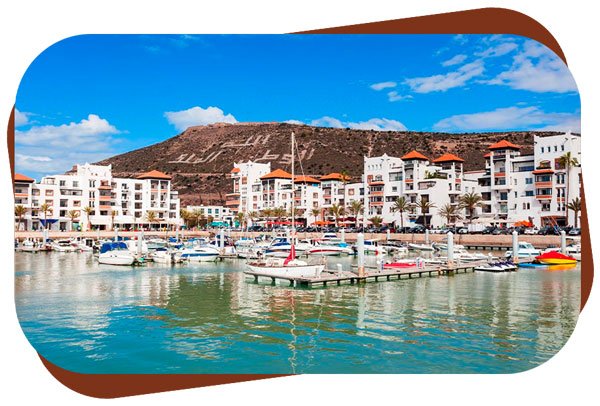
When visiting Agadir for the first time, most tourists gravitate toward the beachfront resorts along the Corniche. While these areas offer comfort and convenience, they can feel somewhat disconnected from the true heartbeat of the city. If your goal is to experience Agadir like a local, consider staying in one of the city’s residential neighborhoods where daily life unfolds naturally and authentically.
Talborjt
Talborjt is one of the best neighborhoods for travelers seeking a local vibe without straying too far from central attractions. Once the old heart of Agadir, before the devastating 1960 earthquake, today’s Talborjt is a blend of tradition and modernity. Here, you’ll find cozy cafés, budget-friendly guesthouses, family-run bakeries, and leafy parks. Locals gather in the evenings to chat, sip tea, or watch football, giving you an easy way to blend into the rhythm of daily life.
Hay Mohammadi
For an even more immersive stay, look to Hay Mohammadi, a quiet residential district slightly inland. While it’s less polished and farther from the beach, it offers excellent value for money and insight into real Moroccan living. You’ll encounter street vendors selling fresh produce, small local restaurants dishing up hearty tajines, and friendly neighbors who greet you with genuine curiosity and warmth.
Stay Local: Tips for Choosing Accommodation
Opt for family-owned guesthouses, budget-friendly hostels, or short-term apartment rentals through platforms like Airbnb. These not only support the local economy but often come with hosts who are more than happy to share insider tips, help you navigate the city, or even invite you to a homemade meal.
For a unique experience, consider eco-lodges or cultural homestays in the surrounding countryside or foothills of the Anti-Atlas Mountains, where traditional Amazigh (Berber) life still thrives in small villages not far from Agadir.
Choosing to stay outside the typical tourist bubble allows you to experience the city on a more personal and genuine level. Next, let’s explore how to dive into Agadir’s food scene, starting with what and where the locals eat.
Local Food Experience: Where and What Locals Eat
Agadir’s culinary scene is a delicious blend of Atlantic freshness, Amazigh (Berber) heritage, and Moroccan spice. While tourist-friendly restaurants line the beachfront, locals prefer simpler, more soulful spots tucked into busy neighborhoods or hidden among market alleys. If you want to eat like a local, forget fine dining, embrace the aroma of sizzling sardines, slow-cooked tajines, and fresh flatbreads straight off the griddle.
Start with a Traditional Moroccan Breakfast
Begin your day in a small neighborhood café. Locals love a light but satisfying breakfast of msmen (layered semolina pancake), baghrir (spongy crepe with honey), hard-boiled eggs, olives, and warm bread, served with a glass of fresh mint tea or a strong shot of nous-nous (half-coffee, half-milk). Try popular cafés in Talborjt, where the morning atmosphere is relaxed, social, and affordable.
Eat Where the Ocean Meets the Plate
Agadir is famous for its fishing port, so seafood is a must. Head to the Port de Pêche (Fish Market) for an authentic dining experience. Buy your fish fresh from the stalls, think sardines, sole, calamari, or dorado, and take it to a nearby grill station where they’ll cook it for you on the spot. It’s simple, rustic, and packed with flavor. Don’t miss the grilled sardines served with chermoula (a spicy, garlicky marinade) and bread.
Souk El Had: A Local Feast for the Senses
No food journey in Agadir is complete without visiting Souk El Had, the largest market in southern Morocco. Here, locals shop for everything: spices, vegetables, meats, olives, nuts, and sweets. Try harira (Moroccan lentil soup), bissara (fava bean puree), or bastilla (a savory-sweet pastry often filled with fish or chicken). Street vendors inside and around the souk offer tasty bites like maakouda (potato fritters) or skewers of grilled meat.
Take a Cooking Class or Share a Home Meal
For an immersive culinary experience, consider joining a local cooking workshop, some hosted in private homes, where you’ll learn to prepare authentic dishes like lamb tajine with prunes or couscous with vegetables. These experiences often include a visit to the market, giving you insight into how locals source their ingredients.
Eating like a local in Agadir means following your senses, stepping into unassuming eateries, and not being afraid to try something new. Up next, let’s talk about how locals move around Agadir and how you can do the same for a more grounded experience.
Getting Around Like a Local
To truly experience Agadir like a local, you need to move like one. While the city is spread out, getting around is easy once you understand the rhythm of its streets. Forget tour buses or overpriced taxis, locals rely on a mix of shared taxis, public buses, and plenty of walking, especially in neighborhoods like Talborjt and around the Corniche.
Shared Taxis: The Local Way to Ride
Known as “petit taxis”, these small, color-coded cabs (usually orange in Agadir) are one of the most common and affordable ways to get around. Each one can carry up to three passengers, and they’re shared among people going in a similar direction. Be aware: the driver may pick up other passengers during your ride.
Tip: Always agree on the price before you start the trip, or insist they turn on the meter.
For short rides within the city, expect to pay 10–20 MAD, depending on distance.
Public Buses (ALSA): Inexpensive and Reliable
Agadir’s public transport system, operated by ALSA, is well-organized and inexpensive. Buses run to most districts, beaches, and even nearby towns. It may not be the fastest option, but it’s a great way to observe daily life and interact with residents.
A one-way bus fare usually costs 5–6 MAD.
Bus lines also serve popular destinations like Souk El Had, the university area, and even Paradise Valley (with a transfer).
Walking and Biking: Slow Travel at its Best
Agadir is a walkable city in many parts, especially along the Corniche promenade, where locals gather for sunset walks, street performances, and casual café meetups. The Talborjt district is also perfect for leisurely strolls through its wide avenues and shaded parks.
For more freedom, consider renting a bicycle or e-scooter—many local shops offer rentals by the hour or day. It’s a fun, eco-friendly way to explore lesser-known corners of the city.
Useful Apps and Local Tips
Locals often use apps like Google Maps, Careem, or inDrive for navigation and ride-hailing (though Uber doesn’t operate in Morocco). For bus times, ALSA has a dedicated app that helps with schedules and routes.
Getting around like a local means more than just saving money; it means seeing Agadir through the eyes of its people, engaging in small encounters, and discovering everyday routines. In the next section, we’ll dive into the hidden gems and authentic experiences you won’t want to miss.
What to Do: Hidden Gems & Local Experiences
Agadir might be famous for its beaches and modern resorts, but if you’re willing to look beyond the surface, you’ll uncover a city full of authentic local life, historic roots, and natural beauty. From restored ruins to peaceful oases, Agadir rewards those who slow down and seek the stories hidden in its streets and surrounding landscapes.
Explore Talborjt’s Streets and Squares
While most tourists stick to the beach, locals love to spend their evenings in Talborjt, Agadir’s cultural heart. After its reconstruction post-1960 earthquake, the area was rebuilt with wide avenues, cozy cafés, and shaded parks. Head to Place Talborjt in the early evening and you’ll find families out for walks, young people sipping tea, and street musicians adding rhythm to the city’s pulse.
Kasbah Agadir Oufella: History with a View
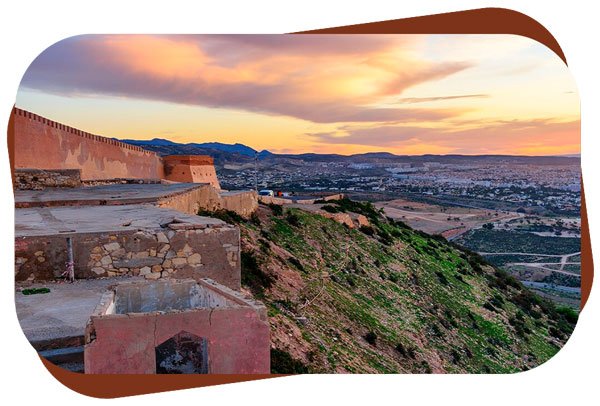
Standing high above the city is the restored Kasbah Agadir Oufella, originally built in the 16th century. Though destroyed in the earthquake, the ramparts and recently developed visitor paths offer incredible panoramic views of the coast and port. Come at sunset for a breathtaking experience, and stay to hear locals share legends about the site’s past.
Catch the Sunset at the Beach Like a Local
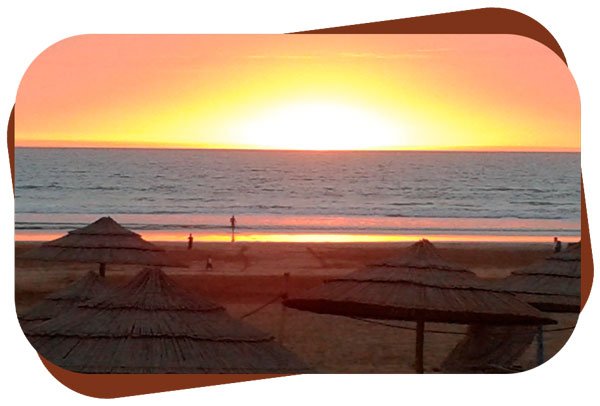
You won’t need to search hard for Agadir’s best sunsets, just join the locals at Plage d’Agadir or Marina Agadir. In the late afternoon, the beach comes alive with groups of friends playing football, families picnicking, and vendors selling roasted corn or fresh juice. It’s a communal moment, where the city slows down and everyone gathers by the sea.
Take a Local-Style Day Trip to Paradise Valley
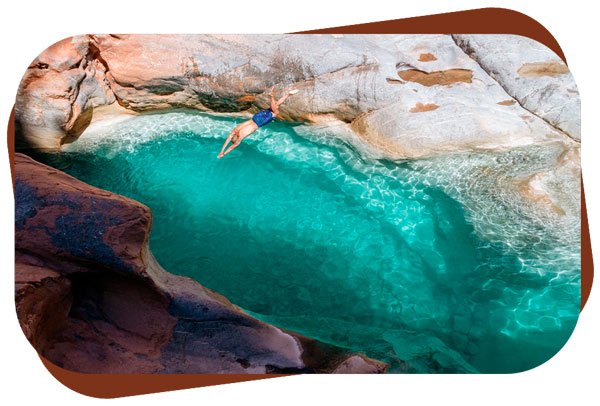
Just 45 minutes from Agadir lies Paradise Valley, a lush oasis tucked into the Atlas Mountains. While many tourists go with organized tours, locals often hop into shared taxis or drive themselves early in the morning to avoid the crowds. Hike through palm groves, swim in natural rock pools, and enjoy a tagine at a tiny family-run café overlooking the river. It’s raw, relaxed, and incredibly rewarding.
Discover Street Art and Murals
Wander through less touristy neighborhoods like Anza or Hay Essalam, and you’ll find large, colorful street murals created by local and international artists. These works are part of Agadir’s growing cultural revival and are often inspired by Berber symbols, Moroccan identity, or environmental themes.
These are the kinds of experiences that rarely make it into guidebooks but leave a lasting impression on travelers. Coming up next: explore how Agadir’s markets and artisan crafts can add even more depth to your journey.
Agadir’s Local Markets and Crafts
To truly connect with the soul of Agadir, one must visit its markets and artisan workshops, where tradition meets creativity and the everyday blends with the extraordinary. These are not just places to shop, they’re hubs of social life, color, sound, and aroma. Exploring Agadir’s local markets will give you a deeper understanding of its people and culture.
Souk El Had: The Beating Heart of the City
Covering over 13 hectares and featuring thousands of stalls, Souk El Had is the largest and most vibrant market in southern Morocco. For locals, it’s a weekly ritual, whether to buy fresh produce, restock the kitchen, or simply socialize. Everything is sold here: fruits, vegetables, meat, spices, traditional clothing, home goods, and souvenirs.
To travel like a local, go early in the morning or late in the afternoon when the market is most alive. Wander past pyramids of saffron and cumin, marvel at handmade baskets and pottery, and sip freshly squeezed orange juice while you explore. Don’t be shy to bargain; it’s part of the fun and expected by vendors.
What to Buy: Authentic Local Crafts
Agadir and the surrounding Souss-Massa region are home to talented artisans who preserve Morocco’s rich cultural heritage. Look for:
Argan oil (especially from women’s cooperatives)
Handwoven rugs from Tiznit and the Anti-Atlas
Silver Berber jewelry with intricate tribal designs
Traditional ceramics and leather goods
Many of these items are handmade using ancestral techniques passed down through generations. Buying directly from small stalls or cooperatives ensures that your purchase supports local families and communities.
Visit Artisan Workshops and Co-Ops
For a more immersive experience, consider visiting a cooperative or workshop where you can see the process behind the products. Many argan oil co-ops, for example, are open to visitors and offer demonstrations on how the oil is extracted. These spaces often provide deeper insight into Moroccan traditions, and some even offer short craft classes where you can try your hand at pottery or weaving.
Shopping at markets and co-ops not only allows you to take home a meaningful souvenir, it also gives you a window into the everyday economy and creativity of Agadir’s people.
Cultural Immersion: Traditions & Daily Life
Traveling like a local in Agadir means more than sightseeing; it means stepping into the rhythms, rituals, and customs that shape everyday life. From communal hammams to traditional music, Agadir offers many opportunities to connect deeply with Moroccan culture and its Berber roots.
Experience a Traditional Hammam
A visit to a hammam (public bathhouse) is a cornerstone of Moroccan daily life. Unlike the luxury spas geared toward tourists, local hammams are communal spaces where people gather to cleanse, relax, and socialize. For first-timers, the experience may be unfamiliar, but it’s a wonderful way to rejuvenate while observing local customs.
Hammams usually involve steam baths, exfoliation with a rough glove called a kessa, and massages with argan oil. Remember to bring your own towel and slippers, and respect the gender-segregated schedules. Locals often spend hours here, catching up on news or bonding with friends and family.
Attend Local Music and Dance Events
Agadir has a rich tradition of Ahwach and Ahidous, collective Berber dances accompanied by drums and chanting. While you may find occasional performances in tourist venues, real communal gatherings happen in neighborhoods, especially during festivals or weddings. If you’re lucky to be invited or find an open event, join in the rhythmic clapping and footwork for an unforgettable cultural immersion.
Share a Couscous Meal on Fridays
In Moroccan culture, Friday is family day, and a large couscous lunch is traditionally shared among extended family and close friends. Some locals warmly invite travelers to join their tables, especially through community initiatives or guided cultural experiences. Participating in one of these meals offers insight into Moroccan hospitality, cuisine, and social values.
Learn Basic Darija Phrases
Speaking even a few words of Darija (Moroccan Arabic) goes a long way in building rapport and showing respect. Simple greetings like Salam (hello), Shukran (thank you), or Labas? (how are you?) will warm hearts and open doors. Most locals appreciate the effort, even if your pronunciation isn’t perfect.
Embracing these cultural experiences will enrich your stay in Agadir far beyond the typical tourist itinerary. Next, we’ll craft a sample daily itinerary that blends all these local insights into a seamless day of exploration.
Day in the Life: Sample Local Itinerary in Agadir
To help you envision your first trip to Agadir through local eyes, here’s a carefully crafted sample itinerary that blends authentic experiences, cultural immersion, and leisure, perfect for a full day of exploring the city like a true resident.
Morning: A Relaxed Start with Breakfast and a Market Visit
Begin your day at a small neighborhood café in Talborjt. Order a traditional breakfast of msmen with honey, fresh mint tea, and a soft-boiled egg. Enjoy watching locals start their day with animated conversations and the occasional game of dominoes.
After breakfast, take a short walk to Souk El Had, the bustling market where locals shop daily. Wander through the colorful stalls filled with fresh fruits, vegetables, spices, and crafts. Chat with vendors, try a few snacks like maakouda (potato fritters), and maybe pick up some argan oil or handmade pottery as souvenirs.
Midday: Cultural Discovery and Lunch by the Port
Head to the Kasbah Agadir Oufella for panoramic views of the city and the Atlantic Ocean. Spend some time exploring the ruins and learning about the history of Agadir before the earthquake.
For lunch, make your way to the nearby Port de Pêche. Choose fresh fish right off the boats, then have it grilled at one of the simple eateries lining the harbor. Enjoy your meal with crusty Moroccan bread and a side of chermoula sauce, just as locals do.
Afternoon: Leisure and Local Life at the Beach and Corniche
After lunch, stroll along the Corniche, the palm-lined beachfront promenade. Rent a bike or simply walk, soaking up the lively atmosphere where families, friends, and street performers gather. Take a dip in the Atlantic or relax under an umbrella with a glass of freshly squeezed orange juice from a local vendor.
Evening: Hammam and Traditional Dinner
As the sun sets, treat yourself to a visit to a traditional hammam in a local neighborhood for a relaxing steam and scrub session. It’s a rejuvenating way to unwind after a day of exploration.
Finish your day with dinner at a family-run restaurant or riad serving classic Moroccan dishes like lamb tajine with prunes or vegetable couscous. Share a pot of mint tea while reflecting on your day immersed in the local way of life.
Local Etiquette & Tips for Respectful Travel
Traveling like a local means more than just seeing the sights; it’s about respecting customs, traditions, and social norms that make Agadir and Morocco unique. Observing these etiquette tips will help you build genuine connections and enjoy your visit without misunderstandings.
Dress Modestly and Respectfully
Although Agadir is more liberal than some parts of Morocco, it’s still important to dress modestly, especially when visiting markets, religious sites, or rural areas. For women, this generally means covering shoulders and knees. Men should avoid wearing sleeveless shirts in public. Lightweight, breathable fabrics are ideal for the warm climate.
Greetings Matter
Moroccans place great importance on greetings. A simple Salam Alaikum (peace be upon you) followed by a warm handshake or light cheek kiss (common among friends) is customary. Using polite phrases like Shukran (thank you) and Bislama (goodbye) shows respect and friendliness.
Photography Courtesy
Always ask permission before photographing people, especially in markets or rural areas. Some may refuse, and it’s important to respect their wishes. Also, avoid taking photos inside mosques or military zones.
Bargaining is Expected, But Be Fair
Haggling is a cultural practice in Moroccan markets, but approach it with a friendly attitude. Start by offering about half the asking price and negotiate to a reasonable middle ground. Remember that vendors rely on these sales, so be fair and polite.
Respect Meal Customs
When invited to eat with locals, wash your hands before meals, and use your right hand for eating or passing dishes. It’s polite to try a little of everything offered, and don’t rush—meals are social occasions meant to be savored.
Avoid Public Displays of Affection
Public displays of affection like kissing or hugging are generally frowned upon, especially in traditional neighborhoods. Keep interactions discreet to respect local sensibilities.
By keeping these simple guidelines in mind, you’ll show respect for Agadir’s culture and foster more meaningful interactions with its people.
Practical Tips for First-Time Visitors
Navigating Agadir for the first time can be an exciting adventure, but a little preparation goes a long way in making your trip smooth and enjoyable. Here are some practical tips to help you travel like a local and avoid common pitfalls.
Safety and Health
Agadir is generally safe for travelers, but like any city, stay aware of your surroundings, especially in crowded markets or tourist areas. Keep valuables secure and avoid poorly lit streets at night. Tap water is not recommended for drinking; opt for bottled water instead.
Currency and Payments
The Moroccan dirham (MAD) is the local currency. Cash is king in most markets and small shops, so carry enough but not excessive amounts. Credit cards are accepted in larger hotels and restaurants, but rarely in small vendors or taxis. ATMs are widely available.
Language Tips
While Arabic and Amazigh (Berber) are official languages, French is widely spoken and understood. English is common in tourist areas but less so in local neighborhoods, so learning basic Darija phrases will enhance your experience.
Best Time to Visit
Agadir enjoys mild weather year-round, but the best months to visit are from March to May and September to November, when temperatures are comfortable and tourist crowds are thinner.
Avoid Tourist Traps
Beware of overly aggressive vendors or unsolicited tour guides. Always book excursions through reputable agencies or your accommodation. For authentic local experiences, rely on recommendations from trusted sources or locals themselves.
Stay Connected
Purchasing a local SIM card upon arrival will keep you connected for maps, translation, and booking services. Wi-Fi is widely available in cafes and hotels, but can be spotty in some areas.
Respect Local Customs
Remember that Morocco is a predominantly Muslim country with conservative values. Being mindful of dress codes, prayer times, and religious holidays will earn you respect and smoother interactions.
By keeping these tips in mind, your first trip to Agadir will be both enjoyable and authentic, helping you make the most of your local travel experience.
Which is better Agadir or Marrakech?
Agadir: The Coastal Relaxer
Beach & Climate: Agadir is Morocco’s premier beach destination, boasting wide sandy shores, warm Atlantic waters, and a mild climate year-round. Ideal if you want to relax, swim, and enjoy seaside resorts.
Modern & Laid-back: The city was rebuilt after a 1960 earthquake, so it has a more modern, less “traditional” Moroccan feel. It’s less crowded, less chaotic, and more focused on outdoor leisure.
Outdoor Activities: Great for surfing, golfing, and exploring nearby natural spots like Paradise Valley and the Anti-Atlas Mountains.
Local Vibe: Offers a calmer, slower pace of life with a growing local culture scene but fewer historic sites.
Marrakech: The Cultural & Historic Hub
Rich History & Architecture: Marrakech dazzles with its ancient medina, bustling souks, stunning palaces, and historic gardens. It’s a vibrant city filled with centuries-old traditions.
Energetic & Bustling: The city is lively, sometimes overwhelming with crowds, noise, and colors. Perfect if you want a culturally immersive, sensory-rich experience.
Shopping & Cuisine: Famous for handicrafts, spice markets, rooftop cafés, and a vast array of Moroccan cuisine.
Excursions: Serves as a gateway for trips to the Atlas Mountains, desert tours, and more.
Which Should You Choose?
If you want beach relaxation, modern comforts, and nature escapes, go for Agadir.
If you seek historic charm, cultural immersion, and vibrant city life, Marrakech is the better pick.
Many travelers combine both: spend a few days in Marrakech exploring its rich culture, then unwind on the coast in Agadir.
Agadir Through the Eyes of Locals
Agadir is much more than a sunny beach destination; it’s a vibrant city alive with history, culture, and warm, welcoming people. Traveling here like a local invites you to step beyond the polished resorts and tourist spots, allowing you to experience the city’s true spirit through its neighborhoods, markets, meals, and everyday rituals.
By embracing local customs, exploring hidden gems, and engaging with the community, you’ll discover a richer, more authentic side of Agadir that few visitors get to see. Whether it’s sharing mint tea in a corner café, bargaining in Souk El Had, or watching the sunset from the Kasbah, these genuine moments will transform your visit into a memorable journey of connection and discovery.
So on your first trip to Agadir, slow down, stay curious, and open yourself to the city’s local rhythms, you’ll come away with stories and friendships that last far beyond your holiday.