
HomeBlogMorocco Travel GuideHidden Villages in Morocco You’ve Never Heard Of
Hidden Villages in Morocco You’ve Never Heard Of
If you think you’ve already seen Morocco through its bustling medinas, lively souks, and famous cities like Marrakech, Fez, and Chefchaouen, you’re […]
If you think you’ve already seen Morocco through its bustling medinas, lively souks, and famous cities like Marrakech, Fez, and Chefchaouen, you’re only scratching the surface. Beyond the tourist trail lies another Morocco, one shaped by remote valleys, ancient traditions, and breathtaking landscapes untouched by mass tourism. These are the hidden villages in Morocco you’ve probably never heard of, yet they hold the heart and soul of the country.
Traveling to these villages isn’t just about ticking off a destination. It’s about stepping into a slower rhythm of life, where the aroma of freshly baked bread drifts from clay ovens, elders share stories under the shade of olive trees, and children greet you with wide-eyed curiosity.
In this guide, you’ll uncover lesser-known corners of Morocco, places where Berber heritage thrives, nature feels unspoiled, and authenticity reigns supreme. From mountain hamlets clinging to the High Atlas slopes to desert settlements where time seems to stand still, these hidden gems are waiting to be explored.
Why Explore Hidden Villages in Morocco?
When you think of Morocco, it’s easy to picture the vibrant souks of Marrakech or the blue streets of Chefchaouen. Yet, the real magic often lies far from the main tourist trail, in the hidden villages in Morocco where traditions are preserved, landscapes are untouched, and the pace of life is refreshingly slow. Visiting these remote places isn’t just about sightseeing—it’s about deep, meaningful travel experiences.
Authentic Cultural Immersion
In the bustling cities, Moroccan culture is colorful but often mixed with modern trends and global influences. In hidden villages, however, you’ll find a world that feels frozen in time. Here, the Amazigh (Berber) heritage thrives in daily life, you might be welcomed into a home for mint tea, watch women weaving rugs on traditional looms, or listen to elders recounting folk tales passed down for generations. This kind of cultural exchange allows you to connect with Morocco on a deeper, more personal level than in typical tourist spots.
Untouched Natural Beauty
The scenery surrounding Morocco’s hidden villages is nothing short of breathtaking. Many are tucked into the High Atlas Mountains, offering views of snow-dusted peaks in winter and lush, terraced valleys in spring. Others sit on the edge of the desert, where golden dunes stretch endlessly beneath crimson sunsets. You might stumble upon a hidden waterfall, wander through olive groves, or follow a stream that winds through the heart of a village. This is nature at its purest, unspoiled and far from the busy tour buses.
Support for Local Communities
Traveling to these lesser-visited villages has a direct impact on the people who live there. Most residents rely on farming, traditional crafts, or small-scale tourism to sustain their livelihoods. When you buy a handwoven carpet, enjoy a meal in a family-run guesthouse, or hire a local guide, you’re helping preserve cultural traditions and supporting a community’s economic stability. Your visit becomes a form of responsible travel that benefits both you and the locals.
A More Relaxed Travel Experience
City travel in Morocco can be exhilarating but also overwhelming—crowded streets, busy markets, and a packed sightseeing schedule. In contrast, life in hidden villages flows at a gentler pace. You can spend hours baking bread in a clay oven, walking through orchards, or simply sitting under the shade of a fig tree with a cup of tea. The slower rhythm allows you to truly absorb your surroundings and appreciate the beauty of the moment, without the rush that often comes with popular destinations.
How to Prepare for a Trip to Hidden Villages in Morocco
Visiting the hidden villages in Morocco is a rewarding experience, but it’s very different from traveling to the country’s more famous cities. These remote areas require a bit of planning and preparation to ensure you have a smooth, enjoyable, and respectful journey.
Plan Your Route Carefully
Many hidden villages are located far from main highways, often requiring a combination of car travel and hiking. Public transport rarely reaches these destinations, so hiring a driver or joining a guided excursion is often the best choice. If you’re driving yourself, be prepared for winding mountain roads or unpaved desert tracks. Always check travel times in advance—what looks like a short distance on a map may take several hours in reality.
Pack Essentials for Rural Travel
Facilities in these villages can be basic, so packing the right items is key. Comfortable walking shoes are a must, as you may need to navigate uneven terrain. Bring layers of clothing to adjust to changing mountain or desert temperatures. It’s also wise to carry snacks, bottled water, and a small first-aid kit, as shops and medical facilities may be limited.
Learn Basic Cultural Etiquette
The communities in Morocco’s hidden villages often follow traditions that differ from the more cosmopolitan cities. Dressing modestly is appreciated, especially in rural and conservative areas. Learning a few words of Moroccan Arabic or Tamazight (the Berber language) can go a long way in creating friendly connections. Always ask before photographing people, and show respect for local customs—whether it’s how you greet someone or how you behave in a family’s home.
Be Ready for Limited Connectivity
Many of these villages are located in valleys or high mountain areas where mobile reception is weak or nonexistent. Don’t expect to have reliable internet access, and consider this an opportunity to fully disconnect and immerse yourself in your surroundings. If you need navigation or translation tools, download them for offline use before your trip.
Travel Responsibly
Part of the charm of visiting hidden villages is that they remain unspoiled. Help keep them that way by minimizing waste, avoiding single-use plastics, and respecting natural areas. Supporting local artisans and family-run accommodations is another way to ensure your visit benefits the community without altering its unique character.
7 Hidden Villages in Morocco You’ve Never Heard Of
The hidden villages in Morocco are scattered from the towering High Atlas Mountains to the far reaches of the Sahara Desert. Each one offers its own blend of scenery, traditions, and stories, making them perfect for travelers who crave something beyond the usual itineraries.
- Imilchil: The Village of the Engagement Festival
Tucked high in the Middle Atlas Mountains, Imilchil is a remote Amazigh (Berber) village known for its breathtaking alpine scenery and its legendary annual Marriage Festival. This event, which usually takes place in late summer, is rooted in local folklore about two star-crossed lovers from rival tribes. Today, it serves as both a celebration of Berber heritage and a matchmaking gathering for young men and women from surrounding valleys.
Outside festival season, Imilchil offers peaceful landscapes, pristine lakes such as Tislit and Isli, and opportunities for hiking in unspoiled nature. The village is also an excellent base for exploring nearby traditional stone houses and learning about Berber customs.
- Imlil: Gateway to Mount Toubkal
While hikers know Imlil as the starting point for treks to Mount Toubkal, the highest peak in North Africa, many casual travelers overlook it. This mountain village sits at 1,800 meters above sea level, surrounded by walnut groves, cherry orchards, and towering peaks.
You can take gentle day hikes through the surrounding valleys, visit nearby waterfalls, or enjoy home-cooked tagines in small family-run guesthouses. The slower pace here offers a refreshing break from Morocco’s bustling cities, and the panoramic views are some of the most stunning in the High Atlas.
- Tafraoute: The Heart of the Anti-Atlas
Hidden in a valley of pink granite rocks, Tafraoute is one of the most visually striking hidden villages in Morocco. Known for its surreal landscapes, the village is surrounded by rock formations that glow red at sunset. The famous “Painted Rocks,” an art installation from the 1980s, add a surprising splash of color to the already vibrant scenery.
Tafraoute is also a cultural hub for the Amazigh people of the Anti-Atlas. Visitors can browse markets for silver jewelry and handwoven slippers called babouches, or take a cycling trip through almond groves that bloom spectacularly in spring.
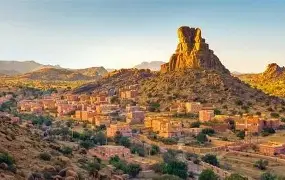
- Aït Bouguemez: The Happy Valley
Nicknamed “The Happy Valley” for the warmth of its people and the fertility of its fields, Aït Bouguemez lies deep in the Central High Atlas. This green valley, dotted with mud-brick villages, feels worlds away from Morocco’s arid landscapes.
Travelers can explore ancient granaries, hike to dinosaur footprints preserved in rock, or simply wander between apple orchards and barley fields. Local homestays offer immersive cultural experiences, from traditional bread-making to storytelling nights around a fire. It’s a place where the connection between nature and community is still strong and visible.
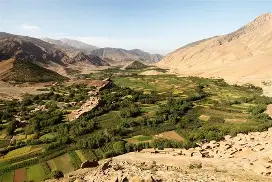
- Tighza: A Hiker’s Hidden Paradise
Tighza is a small mountain village in the High Atlas that’s often used as a gateway to the Telouet Pass. Yet, it remains off the radar for most tourists. Its narrow lanes, traditional adobe homes, and peaceful atmosphere make it an ideal stop for those looking to unwind.
The village offers easy access to the Kasbah of Telouet, once the seat of the powerful Glaoui family, as well as trekking routes through valleys lined with almond and walnut trees. Staying in Tighza gives you a front-row seat to everyday Berber life without the distractions of modern development.
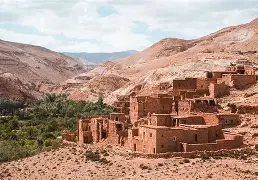
- Nkob: Village of Kasbahs
Nkob, located in the Zagora Province, is known as the “Village of 45 Kasbahs” thanks to its remarkable collection of historic fortified homes. Set against the backdrop of the Jbel Saghro mountains, Nkob is a quiet yet captivating stop for travelers heading toward the Sahara.
You can explore ancient kasbahs, wander through palm groves, and shop for locally made Berber rugs and pottery. Nkob is also a fantastic base for trekking in the Saghro range, which offers lunar-like landscapes and a chance to encounter nomadic herders.
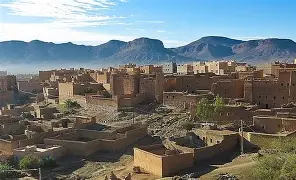
- Merzouga’s Surrounding Desert Villages
While Merzouga itself is a known desert gateway, the small surrounding villages, such as Khamlia, remain hidden treasures. Khamlia is famous for its Gnawa musicians, descendants of sub-Saharan Africans who brought rich musical traditions to Morocco.
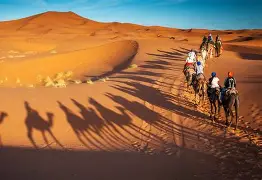
Here, you can experience intimate desert hospitality, take camel treks into the Erg Chebbi dunes, and visit seasonal nomad camps. These villages offer a deeper glimpse into life on the edge of the Sahara, where survival depends on both tradition and adaptation to the harsh environment.
Best Time to Visit and Travel Tips for Hidden Villages in Morocco
While Morocco can be visited year-round, the hidden villages in Morocco each have their own ideal seasons depending on their location and climate. Planning your trip with the right timing and preparation will make your experience far more enjoyable.
Best Seasons for Each Region
If you’re heading to mountain villages like Imlil, Aït Bouguemez, or Tighza, spring (March to May) and autumn (September to November) offer the best balance of pleasant weather and vibrant scenery. In spring, valleys burst with wildflowers and fresh greenery, while autumn offers mild temperatures for trekking.
For desert-edge villages like Nkob or Khamlia, the cooler months between October and April are ideal. Summer temperatures can soar well above 40°C (104°F), making outdoor exploration challenging. Tafraoute and other Anti-Atlas areas are also best in cooler months, when almond blossoms add a magical touch to the landscape.
Transportation and Access
Many hidden villages are far from major airports or train lines, so traveling by private car or arranged tour is often the most practical option. Roads to mountain areas can be winding and narrow—drivers should be experienced and cautious, especially during winter when snow is possible.
Hiring local guides not only ensures easier navigation but also opens doors to experiences you wouldn’t find on your own. Guides can introduce you to families, explain local traditions, and lead you to hidden viewpoints that aren’t marked on maps.
Accommodation Options
Expect rustic charm rather than luxury. Many villages offer guesthouses or gîtes run by local families, which provide clean rooms, home-cooked meals, and warm hospitality. Staying in these accommodations also supports the local economy and gives you a more personal connection to the place you’re visiting.
Cultural and Environmental Respect
In these communities, traditions are deeply valued. Dress modestly, especially in rural areas where cultural norms are conservative. Avoid photographing people without permission, and be mindful of religious practices—particularly during prayer times or Ramadan.
Environmentally, be a responsible traveler by avoiding littering, using reusable bottles, and respecting nature trails. Many of these villages rely on fragile ecosystems, and your actions can help preserve them for future generations.
Safety Considerations
Morocco is generally safe for travelers, but in remote areas, services like healthcare and emergency support may be limited. Travel with basic first-aid supplies, inform someone of your itinerary, and ensure your phone is charged before heading out—though remember that reception can be patchy in some mountain valleys and desert zones.
Best Time to Visit and Travel Tips for Hidden Villages in Morocco
While Morocco can be visited year-round, the hidden villages in Morocco each have their own ideal seasons depending on their location and climate. Planning your trip with the right timing and preparation will make your experience far more enjoyable.
Best Seasons for Each Region
If you’re heading to mountain villages like Imlil, Aït Bouguemez, or Tighza, spring (March to May) and autumn (September to November) offer the best balance of pleasant weather and vibrant scenery. In spring, valleys burst with wildflowers and fresh greenery, while autumn offers mild temperatures for trekking.
For desert-edge villages like Nkob or Khamlia, the cooler months between October and April are ideal. Summer temperatures can soar well above 40°C (104°F), making outdoor exploration challenging. Tafraoute and other Anti-Atlas areas are also best in cooler months, when almond blossoms add a magical touch to the landscape.
Transportation and Access
Many hidden villages are far from major airports or train lines, so traveling by private car or arranged tour is often the most practical option. Roads to mountain areas can be winding and narrow—drivers should be experienced and cautious, especially during winter when snow is possible.
Hiring local guides not only ensures easier navigation but also opens doors to experiences you wouldn’t find on your own. Guides can introduce you to families, explain local traditions, and lead you to hidden viewpoints that aren’t marked on maps.
Accommodation Options
Expect rustic charm rather than luxury. Many villages offer guesthouses or gîtes run by local families, which provide clean rooms, home-cooked meals, and warm hospitality. Staying in these accommodations also supports the local economy and gives you a more personal connection to the place you’re visiting.
Cultural and Environmental Respect
In these communities, traditions are deeply valued. Dress modestly, especially in rural areas where cultural norms are conservative. Avoid photographing people without permission, and be mindful of religious practices—particularly during prayer times or Ramadan.
Environmentally, be a responsible traveler by avoiding littering, using reusable bottles, and respecting nature trails. Many of these villages rely on fragile ecosystems, and your actions can help preserve them for future generations.
Safety Considerations
Morocco is generally safe for travelers, but in remote areas, services like healthcare and emergency support may be limited. Travel with basic first-aid supplies, inform someone of your itinerary, and ensure your phone is charged before heading out—though remember that reception can be patchy in some mountain valleys and desert zones.
Your Journey to the Hidden Villages in Morocco Starts Here
Exploring the hidden villages in Morocco is more than just a travel experience,it’s a journey into the country’s heart and heritage. From the misty valleys of Aït Bouguemez to the desert-edge communities of Nkob and Khamlia, these places reveal a Morocco untouched by mass tourism. You’ll walk through landscapes that seem painted by nature, hear languages and songs passed down for centuries, and share moments of genuine human connection that you’ll remember long after your trip ends.
These villages remind you that Morocco’s magic isn’t confined to its famous landmarks. It’s in the warmth of a host serving you freshly baked bread, the sound of children laughing in the distance, and the sight of starlit skies undimmed by city lights. Here, every path you take tells a story, and every encounter deepens your connection to this extraordinary country.
If you’re ready to step off the beaten path and immerse yourself in the real Morocco, our team can help you craft a journey that blends comfort with authentic experiences. Whether it’s a guided trek through the High Atlas or a cultural stay in a desert hamlet, we’ll ensure your visit to these hidden gems is seamless, enriching, and unforgettable.
Plan Your Hidden Villages Adventure and start uncovering the Morocco most travelers never see.