
HomeBlogUncategorizedMeet Moroccan Artisans: Handmade Rugs, Pottery, and Jewelry
Meet Moroccan Artisans: Handmade Rugs, Pottery, and Jewelry
Morocco’s rich cultural heritage comes to life through its skilled craftspeople, and meeting Moroccan artisans offers a glimpse into centuries-old traditions still […]
Morocco’s rich cultural heritage comes to life through its skilled craftspeople, and meeting Moroccan artisans offers a glimpse into centuries-old traditions still thriving today. From the vibrant souks of Marrakech to the quiet villages of the Atlas Mountains, artisans create exquisite handmade rugs, intricate pottery, and dazzling jewelry that reflect the country’s diverse history and artistic influences.
By exploring the workshops and markets where these crafts are made, you not only discover unique souvenirs but also learn about the techniques, stories, and cultural significance behind each piece. For example, the art of Moroccan rug weaving is recognized worldwide for its distinctive patterns and natural dyes, a tradition preserved over generations (UNESCO on Moroccan craftsmanship). Similarly, pottery from cities like Safi and Fes showcases centuries of expertise, while handcrafted jewelry offers a window into Berber, Arab, and Andalusian influences.
Meeting Moroccan artisans allows you to witness artistry in action and connect with the people who keep these traditions alive. Whether you’re shopping for souvenirs or simply observing the craft, the experience is immersive, educational, and deeply rewarding.
Exploring Handmade Rugs by Moroccan Artisans
Moroccan rugs are more than decorative items, they are living pieces of history, each woven with stories passed down through generations. Meeting Moroccan artisans who create these rugs allows you to appreciate the skill, patience, and creativity involved in every thread. Each region of Morocco has its own distinct style, from the bold geometric patterns of Beni Ourain rugs in the Atlas Mountains to the colorful motifs of Azilal and Boujad carpets.
The weaving process is entirely manual, often using natural wool and dyes derived from plants, minerals, and insects. Artisans use traditional looms and techniques that have remained largely unchanged for centuries, making each rug unique. Visiting workshops in towns like Marrakech, Fes, or small Berber villages provides insight into the artistry and cultural significance behind these textiles.
For a deeper understanding of Morocco’s textile heritage, you can refer to resources on UNESCO’s intangible cultural heritage, which highlight the importance of traditional crafts in preserving cultural identity. By observing and supporting Moroccan artisans, you contribute to sustaining these valuable traditions while taking home a piece of Morocco’s artistic legacy.
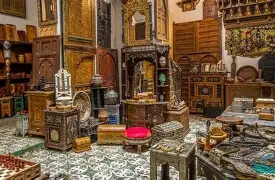
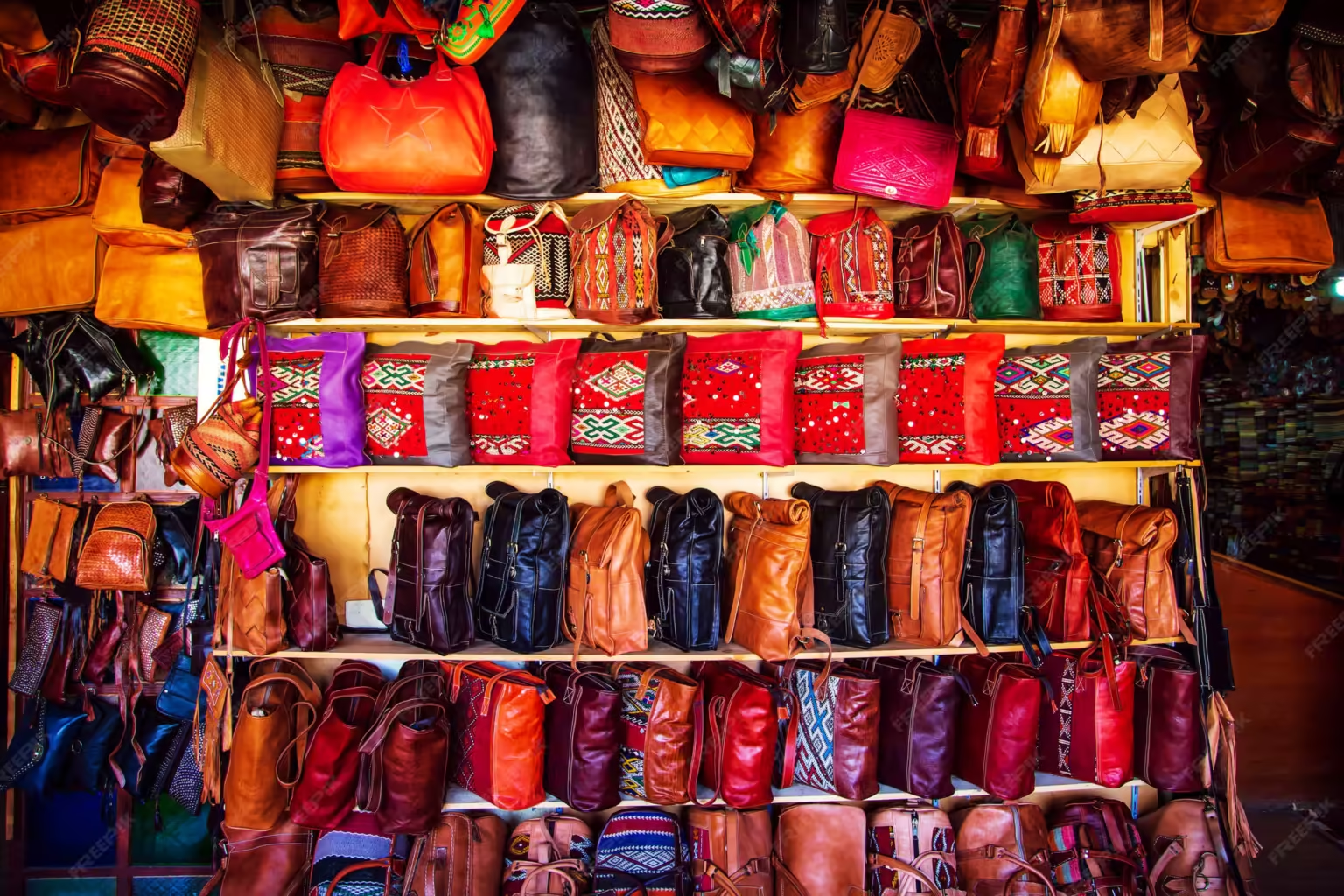
Jewelry and Metalwork by Moroccan Artisans
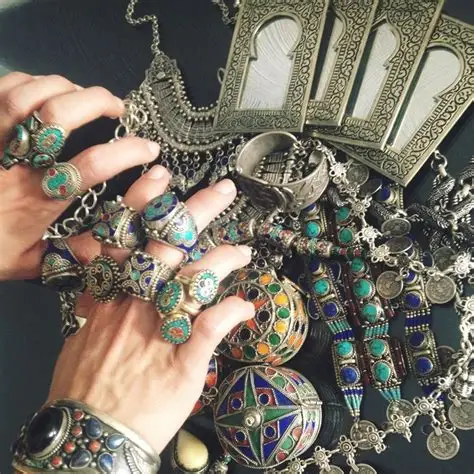
Moroccan jewelry is a vibrant expression of the country’s history, blending Berber, Arab, and Andalusian influences into intricate designs. Meeting Moroccan artisans who create handcrafted jewelry allows you to see the delicate skill and cultural significance behind each piece. Traditional jewelry often features silver, enamel, and colorful gemstones, crafted into necklaces, bracelets, earrings, and ceremonial adornments.
Artisans in regions such as the Atlas Mountains and Fes use age-old techniques, including filigree, engraving, and granulation, to produce designs that are both symbolic and decorative. Each motif carries meaning, whether reflecting tribal identity, marital status, or protective symbolism. Visiting jewelry workshops or local markets not only gives you the chance to purchase authentic pieces but also provides insight into the cultural stories and craftsmanship behind them.
The significance of Moroccan metalwork and jewelry is highlighted in scholarly resources like Wikipedia’s overview of Moroccan arts, which documents how these crafts have been preserved over centuries. By supporting and learning from Moroccan artisans, you help sustain traditional techniques while taking home a tangible piece of Morocco’s rich cultural heritage.
How to Support and Engage with Moroccan Artisans
Engaging with Moroccan artisans goes beyond buying souvenirs, it’s about appreciating their craft, learning their stories, and helping preserve traditional skills. One of the most meaningful ways to support artisans is by purchasing directly from workshops or local markets, ensuring that your money goes straight to the people who created the piece. Avoid mass-produced imitations, which often undercut the value of authentic craftsmanship.
When visiting workshops, take the time to ask questions about the techniques, materials, and history behind each item. Artisans often share insights into the symbolic meanings of designs, the sources of natural dyes and pigments, or the painstaking steps involved in weaving rugs or shaping pottery. This interaction enriches your experience while showing respect for their expertise.
Understanding the cultural and historical context of Moroccan crafts, well documented in sources covering Moroccan textile, pottery, and metalwork heritage, can help you make informed, ethical choices. By supporting local artisans thoughtfully, you contribute to sustaining these centuries-old traditions and help keep Morocco’s cultural identity alive for future generations.
Exploring the world of Moroccan artisans offers an unforgettable journey into the country’s rich cultural heritage, from the vibrant patterns of handmade rugs to the intricate designs of pottery and jewelry. By visiting workshops, engaging with local craftsmen, and purchasing authentic pieces directly from the source, you not only take home unique souvenirs but also help preserve centuries-old traditions. Experiencing Morocco through its artisans allows you to connect with the stories, techniques, and creativity that define the nation’s artistic identity. Ready to immerse yourself in the craftsmanship and culture of Morocco? Plan your artisanal adventure with us and discover the magic behind every handcrafted piece.