
HomeBlogUncategorizedMoroccan Culinary Secrets: Street Food, Family Kitchens, and Local Markets
Moroccan Culinary Secrets: Street Food, Family Kitchens, and Local Markets
Moroccan cuisine is a vibrant tapestry of flavors, aromas, and traditions that reflect the country’s rich history and diverse cultural influences. From […]
Moroccan cuisine is a vibrant tapestry of flavors, aromas, and traditions that reflect the country’s rich history and diverse cultural influences. From bustling souks in Marrakech to the serene kitchens of Berber villages, uncovering the Moroccan culinary secrets allows travelers to experience Morocco beyond its landscapes and landmarks. Street food stalls offer freshly baked briouats, fragrant tagines, and sweet chebakia, while family kitchens prepare recipes passed down through generations. Visiting local markets, or souks, gives insight into the origins of these dishes, from vibrant spices and fresh produce to traditional bread ovens. Exploring Moroccan food is more than tasting—it’s about understanding the culture, traditions, and social rituals intertwined with every meal. Learning how couscous is steamed for Friday gatherings or how a mint tea ceremony brings families together offers a deeper connection to Moroccan life. This guide will reveal key Moroccan culinary secrets, helping you navigate street food, family kitchens, and local markets, while discovering must-try dishes, dining etiquette, and tips for enjoying food safely and authentically, ensuring a rich and memorable gastronomic journey in Morocco.
Street Food and Market Delights
One of the best ways to explore Moroccan culinary secrets is through the country’s vibrant street food scene. Cities like Marrakech, Fes, and Essaouira are renowned for their bustling souks and food stalls, where locals and travelers alike can sample authentic dishes. Visiting a Moroccan market, or souk, is not only a feast for your taste buds but also a feast for your senses, as the colors, aromas, and sounds immerse you in daily Moroccan life.
Must-Try Street Foods
- Briouats: These triangular pastries are filled with meat, cheese, or vegetables and fried to golden perfection. Often enjoyed as a snack, briouats are a staple in street food culture and a favorite among locals and tourists alike.
- Tagine: While traditionally served in homes, small street vendors often prepare individual portions of tagine using portable clay pots. The slow-cooked combination of meat, vegetables, and spices offers an authentic taste of Morocco.
- Harira: A rich tomato-based soup made with lentils, chickpeas, and herbs, harira is especially popular during Ramadan but can also be enjoyed year-round.
- Chebakia: A sweet treat made of fried dough coated in honey and sesame seeds, chebakia is a Moroccan delight often served during festive occasions.
Exploring Local Markets
Markets such as Jemaa el-Fnaa in Marrakech or the Fes Medina provide a full culinary immersion. Here, you can discover fresh produce, aromatic spices, traditional breads, and dried fruits, all of which are essential ingredients in Moroccan cuisine. Interacting with vendors gives you an insider’s view of how dishes are prepared and the cultural significance of each ingredient.
Sampling street food and wandering through local markets allows you to uncover the heart of Morocco’s culinary traditions while supporting small businesses and artisans. By trying different flavors, observing cooking methods, and engaging with local vendors, you gain an authentic understanding of Moroccan gastronomy and the social rituals that accompany it.
Family Kitchens and Home Cooking Experiences
One of the most intimate ways to explore Moroccan culinary secrets is by stepping inside a local family kitchen. Unlike street food, these home-based experiences allow you to observe and participate in the preparation of traditional dishes, gaining insight into the daily lives and customs of Moroccan households. Many families in cities, small towns, and Berber villages welcome visitors to share a meal, offering an authentic glimpse of Moroccan hospitality.
Participating in Cooking Activities
During a home cooking session, you might help prepare couscous, the quintessential Moroccan dish traditionally served on Fridays for family gatherings. You can learn how to steam couscous grains to perfection, season meats and vegetables, and layer flavors with aromatic spices such as saffron, cumin, and cinnamon. These sessions often include making classic Moroccan salads, slow-cooked tagines, and traditional breads like khobz, giving you hands-on experience with fundamental culinary techniques.
Discovering Culinary Traditions
Visiting family kitchens also teaches you about the cultural and symbolic aspects of Moroccan meals. For instance, sharing mint tea is a daily ritual symbolizing hospitality, and learning the proper way to pour and serve it offers insight into social etiquette. Similarly, the order of serving dishes, communal eating practices, and the use of traditional utensils highlight the values of sharing and community in Moroccan culture.
Tips for Enjoying a Home Cooking Experience
When participating in a family kitchen, respect is key. Dress modestly, ask before taking photos, and show genuine interest in the cooking process. Engaging in conversation with the hosts, asking about family recipes, and observing the kitchen’s rhythm creates a deeper connection and ensures a rewarding experience.
By stepping into family kitchens, you move beyond tasting Moroccan cuisine—you become part of it. This intimate exposure to Moroccan culinary secrets not only enhances your appreciation of the food but also fosters meaningful connections with local communities, enriching your overall travel experience.
Exploring Local Markets for Ingredients
To truly understand Moroccan culinary secrets, visiting local markets, or souks, is essential. These vibrant hubs offer not only fresh produce and spices but also a glimpse into Morocco’s culinary heritage. Markets such as Souk El Had in Agadir or Jemaa el-Fnaa in Marrakech are treasure troves for discovering ingredients that define Moroccan cuisine.
Spices and Aromatics
Moroccan dishes are renowned for their aromatic complexity. In the markets, you can find spices like ras el hanout, saffron, cumin, cinnamon, and paprika, each with a story and specific culinary purpose. Vendors often allow visitors to smell and taste spices, providing insight into how these flavors blend in tagines, couscous, and pastries.
Fresh Produce and Local Specialties
Markets offer an abundance of seasonal fruits, vegetables, legumes, and herbs. You can explore olives, preserved lemons, tomatoes, fresh mint, and unique ingredients like argan oil, which is both a culinary and cultural staple in Morocco. Observing local shoppers and how vendors display their goods offers perspective on daily life and traditional Moroccan cooking methods.
Nuts, Dried Fruits, and Sweets
Moroccan cuisine frequently incorporates nuts and dried fruits. Almonds, walnuts, figs, dates, and apricots are used in both savory dishes and desserts. Exploring these ingredients in the market gives visitors an understanding of how flavors are balanced in traditional recipes, such as in the iconic bastilla or sweet pastries like chebakia.
Tips for Navigating the Markets
- Arrive early for the freshest produce.
- Take time to ask vendors about ingredients and cooking tips.
- Carry small change for purchases and practice respectful bargaining.
- Observe hygiene practices and choose stalls with high turnover for the safest and freshest ingredients.
By exploring these local markets, you gain a firsthand look at the raw materials that make Moroccan cuisine so unique. This experience enhances your understanding of Moroccan culinary secrets and prepares you to recreate authentic flavors, even after your trip.
Top Moroccan Dishes to Try
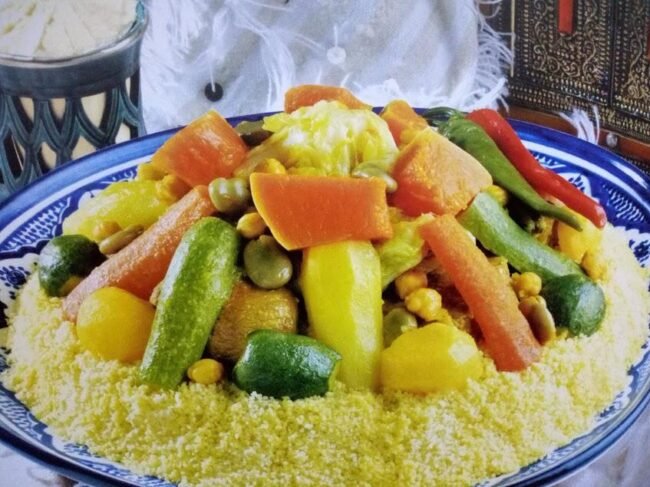
Exploring Moroccan culinary secrets is incomplete without savoring the country’s iconic dishes, each reflecting a rich blend of history, geography, and culture. One of the most famous dishes is couscous, a staple across Moroccan households, traditionally served on Fridays to bring families together. Couscous is prepared by steaming fine semolina grains and layering them with slow-cooked vegetables, tender meats, or chickpeas. The dish is often flavored with aromatic spices such as cumin, coriander, and saffron, providing a delicate balance of flavor that has made it a symbol of Moroccan cuisine worldwide. Experiencing couscous in a local setting, whether in a family kitchen or at a traditional restaurant, gives insight into communal dining practices and the importance of ritual in Moroccan life.
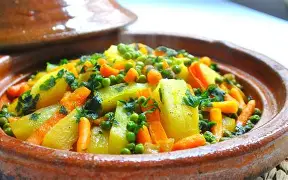
Another essential dish to try is the tagine, named after the clay pot in which it is cooked. Tagines vary widely in ingredients, ranging from chicken with preserved lemons and olives to lamb with prunes and almonds. The slow-cooking process allows flavors to meld beautifully, creating a comforting and aromatic meal. Beyond taste, tagines showcase the artistry of Moroccan cooking, where layering ingredients, balancing spices, and using local produce result in dishes that are as visually stunning as they are flavorful. Street vendors, family kitchens, and restaurants alike serve tagines, offering a chance for travelers to compare flavors and preparation styles across regions.
For those with a sweet tooth, Moroccan desserts reveal another dimension of the country’s culinary secrets. Sweets like chebakia, made from fried dough coated in honey and sesame seeds, or bastilla, a sweet and savory pie of flaky pastry, meat, and almonds, combine textures and flavors in unexpected ways. These desserts are often linked to festivals, weddings, and religious occasions, giving visitors a glimpse into the cultural significance of food in Morocco. Sampling these delicacies at a market stall or during a festive gathering allows you to experience both flavor and tradition simultaneously.
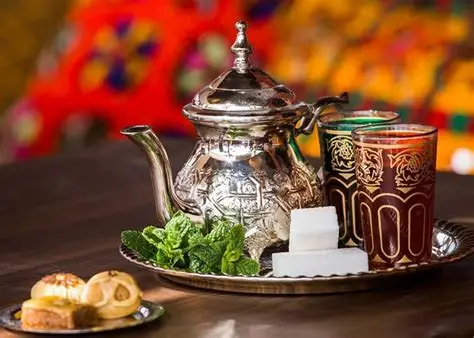
Finally, no exploration of Moroccan cuisine is complete without trying the national beverage: Moroccan mint tea. This green tea infused with fresh mint leaves and generously sweetened symbolizes hospitality and social connection. Pouring the tea from a height is an art in itself, aerating the liquid and blending the flavors. Learning this simple yet profound ritual demonstrates how Moroccan culinary secrets extend beyond dishes to include preparation techniques, social etiquette, and cultural meaning.
Sampling these dishes, from couscous and tagines to traditional sweets and mint tea, provides travelers with a holistic experience of Moroccan gastronomy. Each bite, aroma, and sip tells a story, allowing visitors to fully appreciate the depth and diversity of Moroccan culinary secrets while engaging meaningfully with local culture.

Exploring Moroccan culinary secrets is a journey that goes far beyond simply tasting delicious food. From vibrant street markets and aromatic spices to intimate family kitchens and traditional home-cooked meals, Morocco offers a culinary adventure that immerses you in its culture, history, and way of life. Sampling iconic dishes like couscous, tagines, and traditional sweets, alongside the ritual of sharing mint tea, allows you to experience the country’s warmth, hospitality, and rich gastronomic heritage. Each meal tells a story, revealing centuries of culinary artistry and cultural traditions that make Moroccan cuisine truly unique.
To make the most of your culinary journey, engage with local markets, learn from family kitchens, and take the time to understand the customs surrounding food and dining. Respect for local practices and attention to food safety ensures that your experience is not only flavorful but also enjoyable and safe. By doing so, you gain a deeper connection to Morocco and its people, leaving with memories that extend beyond taste alone.
If you’re ready to embark on this flavorful adventure and discover Moroccan culinary secrets firsthand, Contact Us Now to plan your authentic Moroccan culinary experience. Let expert guides help you explore markets, join family kitchens, and savor the tastes and traditions that make Morocco a must-visit destination for food lovers around the world.